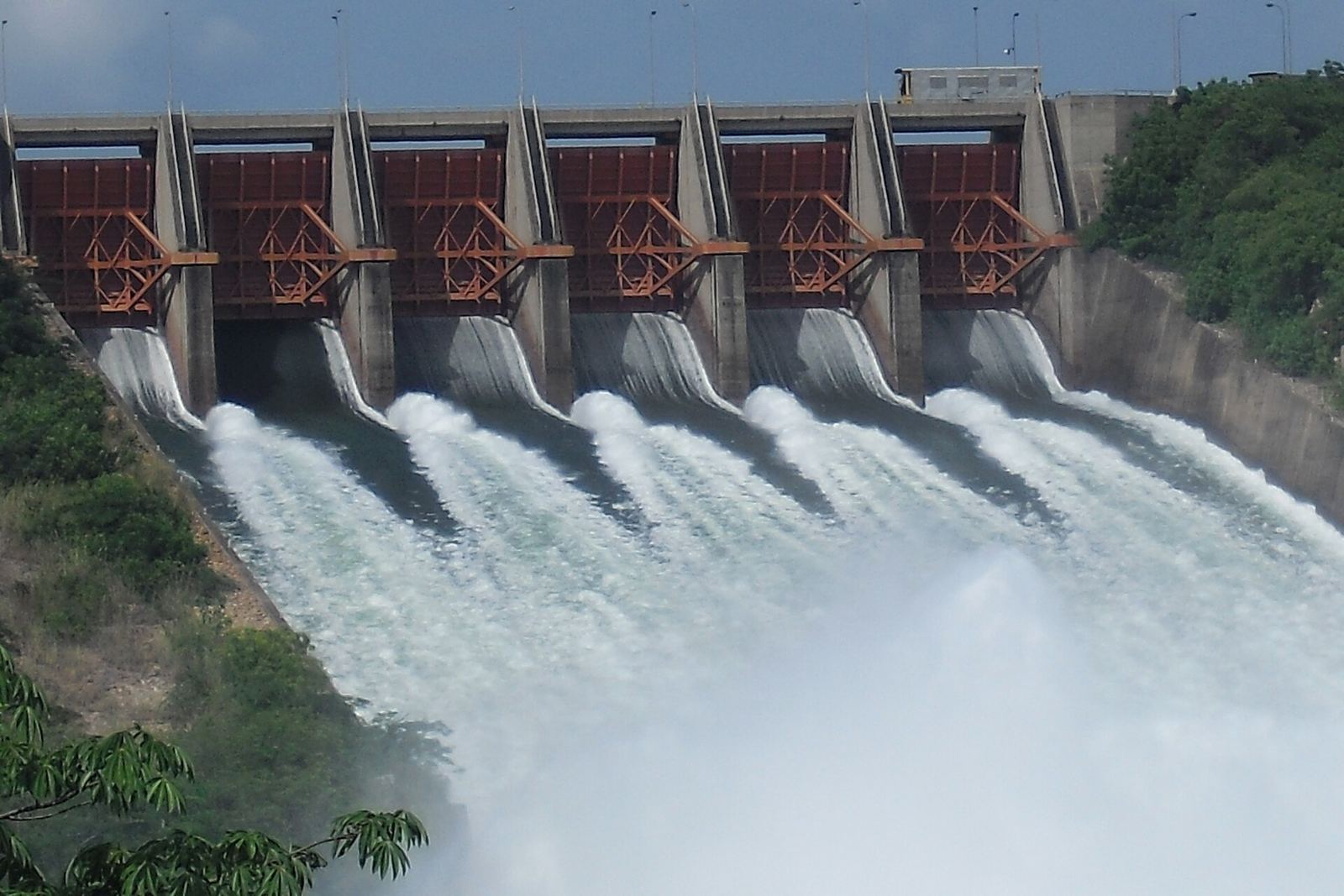
Water is critical national infrastructure. Govern it that way.
Ghana has crossed the UN water-stress threshold, yet still treats water as a sectoral service. It belongs beside power, telecoms and ports as Critical National Infrastructure and a national security asset.
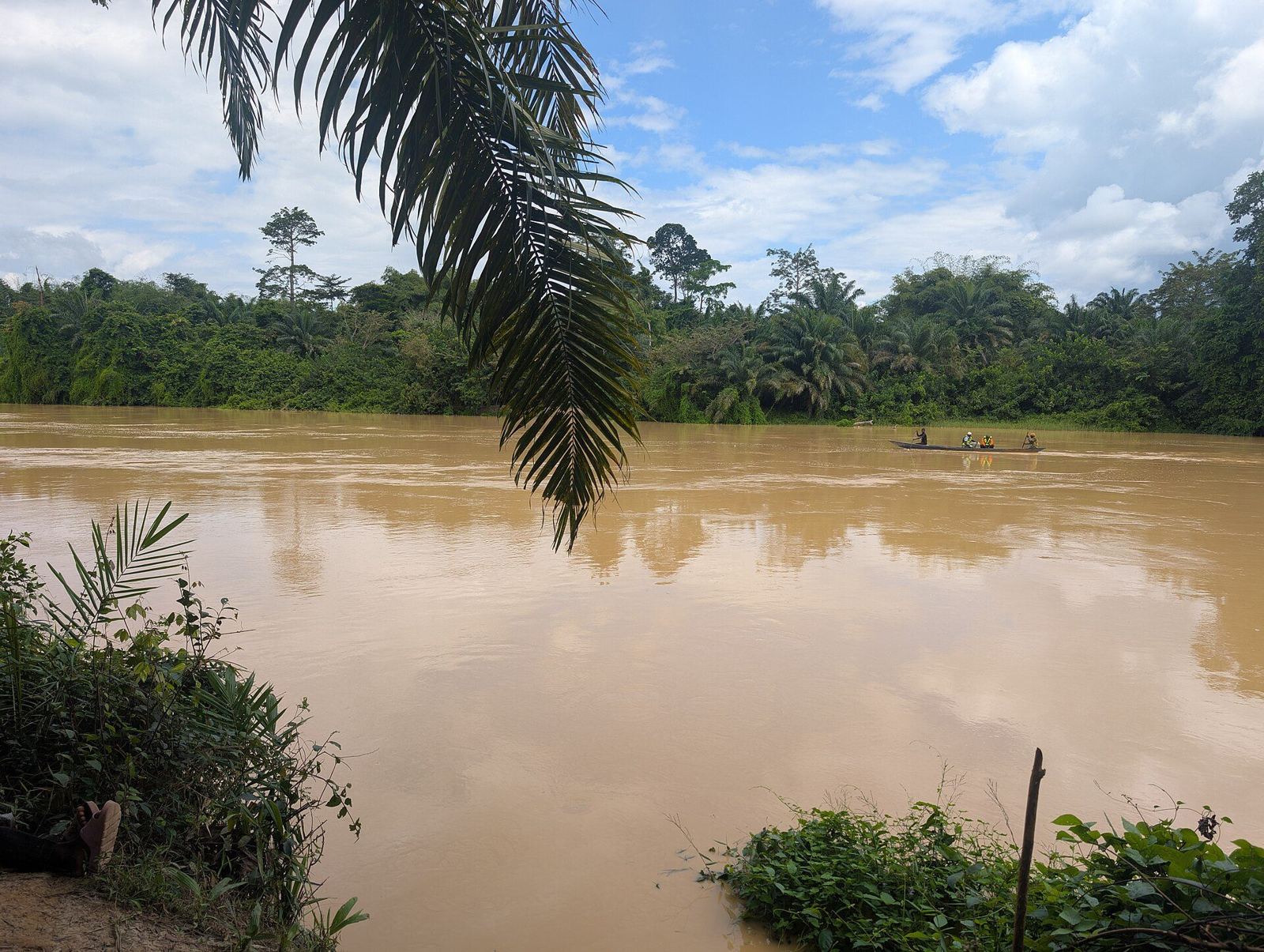
Ghana has crossed the UN water-stress threshold. Per capita renewable water availability has fallen below 1,700 m³. Over 70% of our surface water comes from a transboundary basin. Nearly half of our population still lacks safely managed water. Illegal mining is poisoning rivers, aquifers are being over-abstracted, wetlands are being encroached, and non-revenue water is approaching 50%.
Yet water is still treated largely as a “sectoral service issue,” not as what it truly is: Critical National Infrastructure and a national security asset.
In the recent Government Accountability Series, the Minister for Works, Housing and Water Resources rightly outlined the challenges: climate variability, galamsey, deforestation, urban sprawl, weak enforcement, institutional overlap. These are real and deserve commendation for being stated openly.
But the deeper question remains:
Why is water not formally elevated to the same strategic priority as energy, telecoms, ports, or power under Ghana’s critical infrastructure protection and national security framework?
Where is:
- A National Water Security Strategy?
- A Critical Water Infrastructure Protection Doctrine?
- A joint security-environment command to protect river basins, treatment plants, dams, and aquifers?
- Real-time surveillance and intelligence fusion for water systems?
- Water treated as an economic stability and national sovereignty issue, not just a development project pipeline?
How can water, the resource that powers hydropower dams, transmission lines and irrigation for agriculture, not be treated with the same urgency, protection, and strategic planning if they are all considered critical infrastructure?
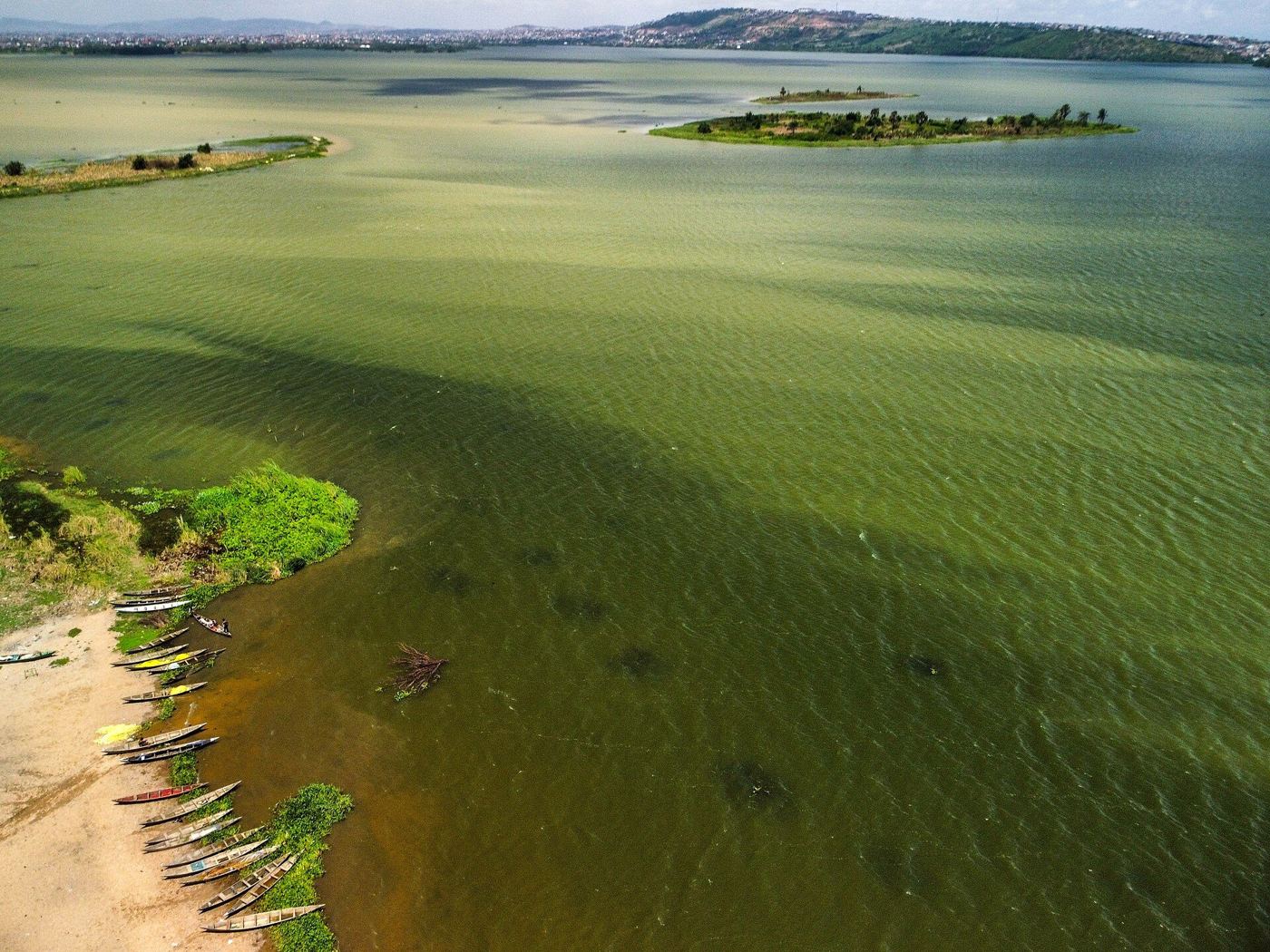
The problem of water insecurity is not limited to the environment. It poses a risk to national stability, food security, energy security, public health, and the economy.
So the question to the Ministry and to government is simple but fundamental:
When will Ghana formally recognize water as Critical National Infrastructure and govern it with the same security, resilience, and strategic seriousness accorded to power, transport, and digital systems?
The economy, public health, food security, energy security, and national stability are all at risk.
First published on LinkedIn during the Government Accountability Series.